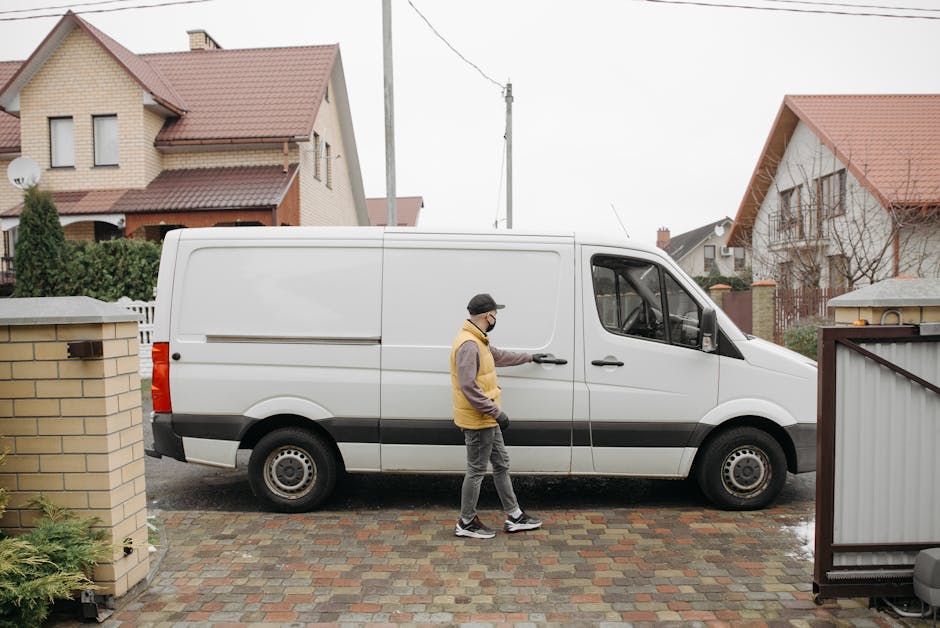
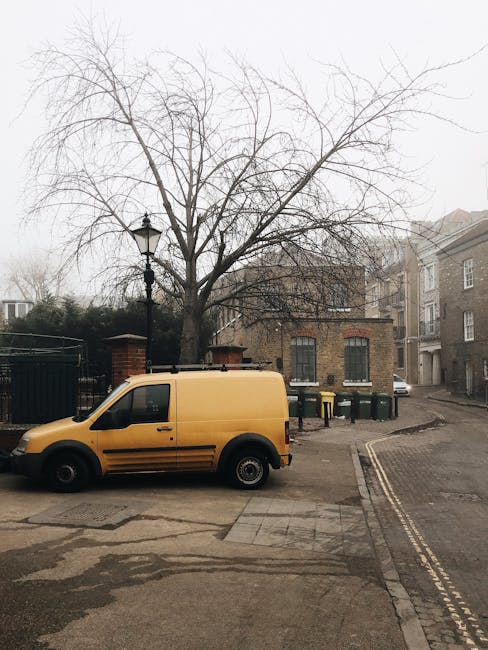
Francis Road Leyton man and van narrow access tips: a practical guide for tight streets, awkward corners, and stress-free loading
If you are moving on or near Francis Road in Leyton, you already know the challenge: lovely street, busy pace, but not always generous access. A man and van move can be a brilliant fit for that kind of job, yet narrow roads, parked cars, bins, front steps, basement flats, and tight turning space can quickly turn a simple move into a bit of a scramble. That is exactly why Francis Road Leyton man and van narrow access tips matter.
This guide is built for real-world moving conditions, not neat little textbook situations. You will find practical advice on preparing access, choosing the right vehicle, protecting furniture, and avoiding the small mistakes that cause the big delays. If you are planning a flat move, a furniture delivery, or a same-day collection, a few smart adjustments can save time, money, and a lot of back-and-forth. And, truth be told, in a street like Francis Road, a calm plan usually beats raw effort every time.
Why Francis Road Leyton man and van narrow access tips Matters
Narrow access changes everything. On an ordinary move, the biggest concern might be lifting weight or protecting fragile items. On Francis Road, the first question is often much more basic: can the van safely stop close enough to the property? If the answer is no, then the whole job shifts. You need extra carrying distance, tighter timing, more careful parking, and a better plan for items that do not enjoy long walks in the rain.
This matters for several reasons. First, access affects labour. If the van cannot park outside, the move takes longer, which can affect cost and scheduling. Second, access affects safety. Carrying a sofa down a narrow hallway, through a tight front door, and around a parked car is not the time to wing it. Third, access affects the condition of your belongings. The more turns, lifts, and awkward angles, the greater the chance of scuffs, scratches, or the dreaded "that looked easier in my head" moment.
Francis Road and nearby Leyton streets can be lively, with real-life obstacles like delivery vehicles, residents returning home, and the usual London mix of bicycles, bins, and tight kerb space. So the aim is not perfection. It is preparation. A little planning goes a very long way.
If your move also involves boxed items, check the site's packing and boxes in Leyton page for related support, especially if you want your load organised before the vehicle arrives.
How Francis Road Leyton man and van narrow access tips Works
The basic idea is simple: you reduce friction before moving day. That means thinking through the route from your front door to the van, and from the van to the destination. Narrow access tips are less about one dramatic trick and more about a chain of small decisions that stack up nicely.
In practice, a good narrow-access move usually includes:
- checking where the van can legally and safely stop
- measuring larger items and key openings in advance
- clearing the hallway, stairwell, and doorstep
- protecting edges, floors, and fragile finishes
- loading in the right order so the first items out are the easiest to reach
- keeping a backup plan if access is tighter than expected
That backup plan matters more than people think. A van can be technically suitable, but if a neighbour's car is partly blocking the road, or a delivery driver has chosen the worst possible moment to double-park, you need to adapt without losing your cool. A flexible mover, a realistic schedule, and a clear briefing help a lot here.
For customers who prefer a more structured approach, the move can be simplified by using a service like man with van in Leyton or the broader man and van Leyton service, depending on how much loading help and vehicle support you need.
Key Benefits and Practical Advantages
Getting narrow access right does more than make the day less stressful. It directly improves the quality of the move. And that is not marketing fluff, just common sense.
- Less carrying distance: shorter walks reduce fatigue and lower the chance of dropping items.
- Faster loading: a van parked close by means fewer trips and smoother handovers.
- Lower damage risk: less twisting through tight corners means fewer knocks to furniture and walls.
- Better timing: tight streets run better when the van arrives in the right slot.
- Less neighbour friction: no one enjoys a move that blocks access for half the road.
There is also a quieter benefit: confidence. When you know the access is sorted, the whole move feels lighter. You do not stand at the window worrying whether the van will fit. You are not improvising with a wardrobe on the stairs. You can focus on the actual move.
For larger or mixed-load moves, the site's removal services in Leyton page is useful as a broader next step, especially if you are comparing a small man and van job with a fuller removal service.
Who This Is For and When It Makes Sense
This kind of guidance is especially useful if you live in or around Francis Road and any of the following apply:
- you are moving from a flat with tight stair access
- you have large furniture that may not fit around corners easily
- the van cannot stop directly outside your property for long
- you are doing a partial move, such as a sofa, bed, or appliance
- you need a same-day or short-notice collection
- you are moving in or out of a student flat and working with a deadline
It also makes sense if you are a landlord, tenant, or homeowner trying to avoid disruption. Let's face it, even a small move can become annoyingly complicated when access is tight. A few minutes spent measuring and planning can save you an hour of awkward lifting.
For those moving out of compact apartments, the flat removals Leyton page can be a helpful companion resource. If you are moving an entire household rather than a few items, the house removals Leyton service page may be the better fit.
And if your move involves smaller university loads, the student removals Leyton option is worth a look too. Different moves, different headaches. No shame in choosing the simplest route.
Step-by-Step Guidance
Here is a practical way to handle narrow access without overcomplicating things.
- Survey the route from the door to the van.
Walk the full path. Look for steps, tight bends, low walls, gates, parked cars, and anything that could slow movement. Do this in daylight if you can. - Measure the awkward items first.
Wardrobes, mattresses, sofas, desks, and headboards are the usual suspects. Measure width, height, and depth, then compare them against doorways and stair turns. A tape measure is boring. Also essential. - Check vehicle access in advance.
Not every van size is ideal for every street. If your road is tight, ask what sort of vehicle is being used and whether it can stop close enough for safe loading. If the answer is vague, ask again. - Prepare the property.
Move small items, clear clutter, secure loose rugs, and make sure the hallway is not full of half-packed bags. If you need help with this stage, the guide on decluttering before your move is genuinely useful. - Protect surfaces.
Use blankets, floor covers, and corner protection where needed. Narrow access often means more contact with walls and banisters than you expect. - Load the van in a sensible order.
Put the items you need last at the back, and keep essentials easy to reach if there will be a quick unload at the other end. That sounds obvious. Yet it gets missed all the time. - Use a carry plan for awkward pieces.
Two people, clear signals, no rushing. If something is too heavy or too bulky, stop and reassess. There is no prize for forcing it.
A small but useful extra: if the move includes delicate or high-value items, pack them separately and label them clearly. For guidance on the handling side, you may also find this packing guide for a seamless moving experience helpful.
Expert Tips for Better Results
Once you have the basics in hand, a few experienced habits make narrow-access moves go much more smoothly.
1. Think in terms of bottlenecks
The bottleneck is the point where everything slows down. On Francis Road, that may be the street itself, the front step, the hallway, or the staircase turn. Identify the bottleneck early and tackle it first. If the front gate is awkward, keep it open before the team starts carrying. If the stairwell is tight, clear it completely.
2. Use the right item order
Load the easiest items first if they help create space and foundation. Then add the heavier, more stable pieces. A sofa wedged in the wrong place can waste more time than three boxes ever will. Odd, but true.
3. Keep communication direct
In tight access situations, vague instructions are a pain. Say "pause at the bottom step" or "turn the wardrobe edge first." Simple phrases work best. Long explanations in a narrow hallway are not ideal, to be fair.
4. Plan for weather and light
Rain, damp paving, and poor light make narrow access feel even tighter. If your move is in the evening or on a grey morning, allow extra time and keep door mats, coverings, or grips ready. A slippery threshold is one of those tiny issues that can become a big one surprisingly fast.
5. Choose help that fits the job
A well-matched service matters. For single-room moves or small loads, man and a van in Leyton may be enough. For bigger household items and repeat trips, a more complete removals Leyton solution may make more sense.
If you are moving heavy furniture, the page on furniture removals in Leyton fits neatly with this topic. And if your item is especially awkward, such as a piano, it is worth reading the specialist advice on why piano moving is not a DIY project.
Common Mistakes to Avoid
Most access problems are not dramatic disasters. They are small planning mistakes that snowball. Here are the ones that show up most often.
- Not checking parking restrictions early. A good route can still fail if the van cannot legally stop where you expected.
- Forgetting to measure the larger items. If the sofa is a little too wide, there is no magical way to make it smaller. Sadly.
- Leaving clutter in hallways. A single shoe rack or pram can make a tight route even tighter.
- Assuming the van size is automatic. Compact streets often need the right vehicle choice, not just any van.
- Trying to carry too much at once. One awkward item is manageable. Three awkward items at once become a joke, and not a funny one.
- Ignoring loading order. If the essentials are buried, you lose time at the destination.
There is a quieter mistake too: under-communicating. If you know there is a narrow entrance, a buzzer system, a basement stair, or a shared hallway, say so early. It is much easier to plan for awkward access than to discover it while balancing a mattress at the kerb.
Tools, Resources and Recommendations
You do not need a warehouse full of equipment to handle a narrow-access move well. But a few simple tools make a noticeable difference.
| Tool or resource | Why it helps | Best for |
|---|---|---|
| Tape measure | Checks item size against doors, stairs, and van space | Sofas, beds, wardrobes, desks |
| Furniture blankets | Protects edges and painted surfaces during tight manoeuvres | Wood furniture, metal frames, appliances |
| Grip gloves | Improves handling and reduces slips | Boxes, handles, awkward surfaces |
| Floor protection | Helps avoid scuffs in hallways and at thresholds | Shared flats, polished floors, rented homes |
| Labels and markers | Makes loading and unloading more organised | Any move with multiple boxes |
For packing support and a steadier move-day process, it can also help to read the company's page about how to package your items and wait for the crew to arrive. If timing is the real issue, then delivery at the best time for you is also relevant, especially when access windows are tight.
And if you need extra reassurance around service quality and moving-day care, the site's insurance and safety information is worth reviewing before you book.
Law, Compliance, Standards, or Best Practice
For narrow-access moves, the biggest compliance issues are usually practical rather than highly technical. You need to respect parking rules, keep pavements and entrances safe, and avoid blocking access for neighbours, emergency vehicles, or pedestrians. In London, that can include ordinary common sense as much as council-specific restrictions, which may vary street by street. Always check local parking and loading conditions rather than assuming the same rules apply everywhere.
If the move happens in a shared building, best practice is to protect communal areas and keep noise and disruption reasonable. That is especially relevant in flats, conversions, and maisonettes where stairwells are shared. It is also sensible to make sure items are carried safely by people capable of handling the weight involved. A rushed lift in a narrow hallway is where small injuries happen, and nobody wants that.
There is also a broader duty of care around property protection. Even where there is no formal legal issue, careful handling, clear communication, and sensible lifting standards are simply what professional moving looks like. If you want a deeper look at the handling side, the article on kinetic lifting explained offers helpful background in plain English.
For operational transparency, it can also be useful to review the site's terms and conditions and health and safety policy. That gives you a better sense of expectations before moving day, which is never a bad thing.
Options, Methods, or Comparison Table
Not every narrow-access job should be handled in the same way. Here is a simple comparison to help you decide what fits best.
| Method | Best for | Strengths | Trade-offs |
|---|---|---|---|
| Small man and van | Single-room moves, light furniture, tight streets | Flexible, easier to park, usually quicker | Less capacity for very large moves |
| Standard van with extra helpers | Heavier items, mixed loads, stair-heavy properties | More carrying power and coordination | May need more space and planning |
| Full removals service | Whole-house moves, complex access, bigger furniture | Broader support, better for larger jobs | Usually more than you need for a small move |
| Split move with storage | Staged moves, renovations, uncertain completion dates | Flexible timing and less pressure | Extra handling and possible added cost |
If you are not sure which route to take, the services overview is a sensible place to compare options. And if your move is being squeezed by a deadline, same day removals in Leyton may be the practical answer when timing really is tight.
Case Study or Real-World Example
Imagine a typical Francis Road move: a one-bedroom flat, a couple of boxes, a bed frame, a mattress, a small bookcase, and a sofa that is slightly more generous than it looked online. The resident has a moving slot in the late morning, but parking on the road is already busy. There is a shared entrance, one narrow turn in the hallway, and a step down at the front door.
On paper, it sounds manageable. In reality, it needs a plan.
The practical approach would be:
- confirm the van arrival time so the resident can clear the entrance
- measure the sofa and mattress before moving day
- pre-pack smaller items into labelled boxes
- keep the hallway free of bags, coats, and loose items
- use blankets to protect the wall corners and door frame
- move the mattress first if it is easiest to turn vertically
- load the sofa only after checking the route through the front door
What usually makes this kind of move succeed is not strength. It is sequencing. The person who has cleared the route, prepared the furniture, and shared the access details early will almost always have the smoother day. The person who says, "It should be fine," and hopes for the best? Less so. A bit of humour here, but not much.
This is also where a helpful guide on transporting a bed and mattress securely can save a lot of fiddly last-minute guessing. For sofa-specific handling, the article on storing your sofa the right way is useful too, especially if access means the item has to wait before delivery.
Practical Checklist
Use this before the van arrives. It is simple, but it helps.
- Measured large furniture and checked doorway widths
- Confirmed where the van can stop safely
- Checked parking or loading restrictions
- Cleared hallways, stairs, and the front entrance
- Removed loose rugs, bins, and trip hazards
- Packed and labelled boxes by room
- Wrapped fragile edges and vulnerable surfaces
- Set aside keys, access codes, and contact details
- Agreed the moving order for awkward or heavy items
- Kept a backup plan in case access is tighter than expected
One more small thing: if you have items that are not going with you, deal with them early. The guide on leaving your home spotless is a good companion piece, especially when you need to hand back a property without last-minute panic.
Conclusion
Francis Road Leyton man and van narrow access tips are really about one thing: reducing uncertainty in a place that does not give you much spare space. When access is tight, the smart move is to measure, clear, communicate, and choose the right vehicle and support. Small changes do the heavy lifting here. Literally, sometimes.
If you prepare properly, narrow streets and awkward entries stop feeling like a problem and start feeling like a detail. Not a small detail, maybe, but a manageable one. And that is the difference between a move that drifts into chaos and a move that feels controlled from start to finish.
Get a free quote today and see how much you can save.
If you are planning a move around Francis Road or anywhere nearby in Leyton, it is worth speaking with a local team that understands the street layout, the parking realities, and the kind of access issues that can catch people out. A calm, well-planned move is not a luxury. It is simply the best way to do it.
For direct help, you can also visit the contact page to discuss your move and ask about the access at your property.
Frequently Asked Questions
What counts as narrow access for a man and van move?
Narrow access usually means the van cannot park very close to the property, or the route from the street to the item is tight, awkward, or full of turns, steps, or shared areas. It is less about a formal definition and more about whether carrying space is limited.
Should I measure my furniture before booking?
Yes, especially for sofas, beds, wardrobes, desks, and large mattresses. Measurements help you avoid last-minute surprises and let the mover plan the safest route through the property.
Can a van stop on Francis Road itself?
That depends on traffic, loading conditions, and local restrictions at the time. It is best not to assume. Always check the parking setup and mention any access concerns when booking.
What should I tell the mover about my property?
Tell them about steps, stair turns, narrow hallways, parking issues, shared entrances, lifts, and any items that are especially heavy or fragile. The more accurate the description, the smoother the job usually goes.
Is a small man and van better than a bigger removal vehicle for tight streets?
Often, yes. A smaller vehicle may be easier to position on a busy or narrow road. But the right choice depends on how much you are moving, so it is worth balancing access against load size.
How do I protect walls and door frames during a tight move?
Use furniture blankets, edge protection, and careful handling. Clearing the route first also helps, because a clutter-free hallway gives the team more room to manoeuvre without brushing the walls.
What happens if the van cannot park directly outside?
The team may need to carry items from a nearby stopping point, which can add time and effort. That is not unusual in London. The key is to plan for it early so the day still runs smoothly.
Do I need to disassemble furniture for narrow access moves?
Sometimes, yes. Flat-pack beds, large tables, and wardrobe units often move more safely once partially dismantled. If in doubt, ask whether the item can be taken apart and rebuilt at the destination.
Is same-day help available for tight-access moves?
It can be, depending on schedule and load size. If your move is urgent, the same day removals in Leyton page is the most relevant place to start.
How can I make a narrow-access move cheaper?
Prepare well. Clear the route, pack in advance, measure large items, and make access details clear before the job starts. Less confusion generally means less wasted time, and that is where the savings tend to come from.
What is the best next step if I am not sure about access?
Take a few photos of the entrance, stairs, and street, then share them with the mover alongside your measurements. A quick conversation often solves more than an hour of guessing. If needed, use the contact page to talk it through before booking.
Does storage make sense if access is too tight on moving day?
Yes, sometimes it does. If timing is uncertain or the property is not quite ready, a short storage plan can reduce pressure. The storage in Leyton page is relevant if you need that kind of flexibility.