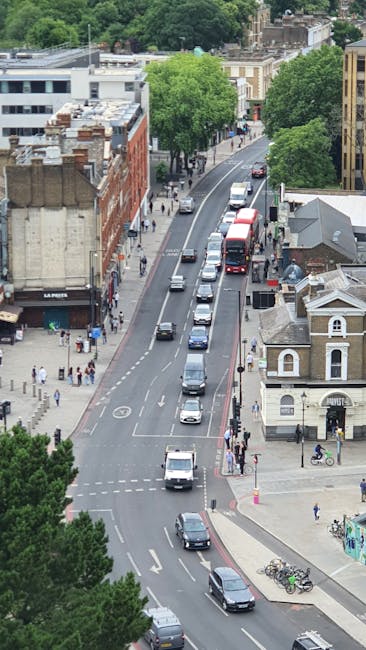
Lea Bridge Road Leyton man and van access explained
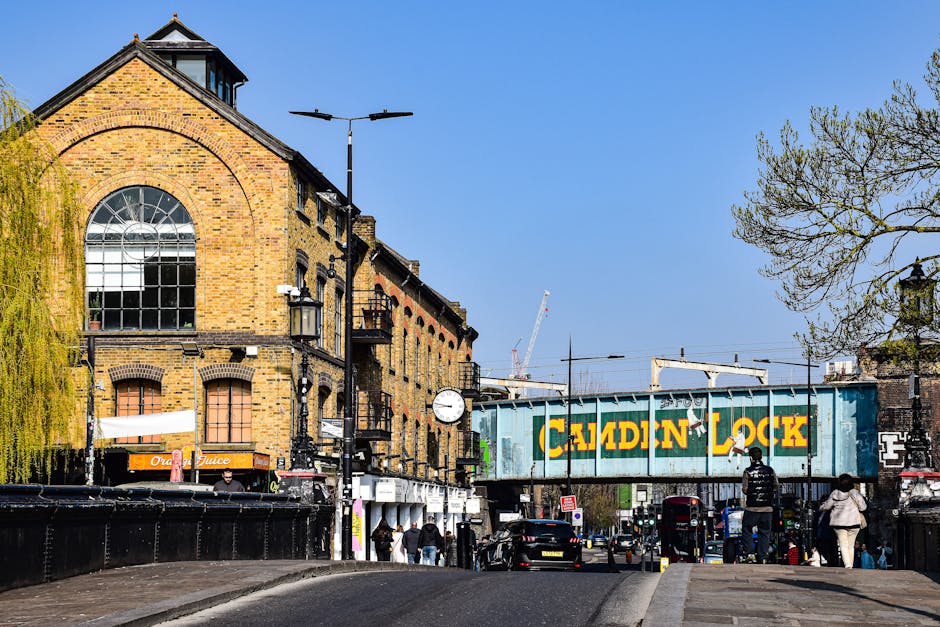
If you are planning a move on or near Lea Bridge Road in Leyton, access can make the whole job feel either surprisingly smooth or, to be fair, a bit of a faff. That is exactly why Lea Bridge Road Leyton man and van access explained matters: not just what a man and van service does, but how vehicles, parking, loading, timings, and building access all come together on a busy East London road.
This guide breaks the topic down in plain English. You will learn what access really means in a moving context, why it matters on Lea Bridge Road, how to plan around narrow streets and loading restrictions, what to ask before booking, and which mistakes tend to cause delays. Along the way, we will keep it practical. No fluff. Just the kind of detail that saves you time, stress, and probably a few back-and-forth messages on moving day.
Why Lea Bridge Road Leyton man and van access explained Matters
Access is the difference between a tidy, well-timed removal and a job that drifts. On Lea Bridge Road and the surrounding Leyton streets, that can mean everything from where the van can stop, to how far the team has to carry your items, to whether the route to the front door is actually usable with a sofa or fridge in hand.
Man and van access is not just a "can the van park nearby?" question. It is a bundle of little details:
- Is there a legal loading spot close to the property?
- Can the van safely fit past parked cars and traffic at the time of day you need?
- Are there steps, narrow hallways, controlled entry systems, or awkward corners inside the building?
- Will the move need more than one trip because the vehicle cannot stay close enough?
That is why access affects price, timing, and even what type of vehicle you should choose. A job that looks simple on paper can become tricky if the road is busy, the pavement is tight, or there is no sensible place to load without blocking traffic. And yes, that happens more often than people expect.
For local readers, this is also about being realistic. Leyton has a mix of terraced housing, flats, side streets, newer developments, and busier corridors. Some properties are straightforward. Others... not so much. A good plan protects your move from the kind of small delays that stack up into a miserable afternoon.
How Lea Bridge Road Leyton man and van access explained Works
In practice, access planning starts before the van arrives. A decent man and van booking should account for pickup access, drop-off access, and the route between them. If you are moving within Leyton or across London, the team will usually want a clear picture of where the van can stop, how long loading might take, and whether any special handling is needed.
Here is how it normally works in a local move:
- You describe the property access. This includes floor level, stair access, lift availability, parking, loading bays, and anything awkward like a narrow staircase or steep front step.
- The mover estimates the loading plan. That might involve a single short carry, a longer carry from a legal parking spot, or a multi-trip arrangement.
- The vehicle choice is matched to the job. A smaller removal van can be easier for tight access, while a larger van may be better if parking is easier and the load is bulky.
- Arrival timing is chosen around traffic and restrictions. On a route like Lea Bridge Road, the time of day can matter a lot. School run traffic, commuter flow, or local congestion can change the plan.
- Loading happens with safety in mind. That means protecting items, avoiding damage to walls and floors, and keeping the route clear enough so nobody trips over a box at the wrong moment.
It sounds simple enough. But the small details are where the real work is. A mover who understands access will ask the questions others skip. Where is the nearest place to stop? Is there a gate code? Can the van reverse safely? Is there room for a dolly trolley? Do you have parking arranged? Those questions are not fussy. They are the job.
If you are comparing service types, it can help to understand the difference between a general man and van service and larger-scale removal services. The first is often the better fit for smaller loads, awkward access, student moves, or single-room relocations. The second suits bigger, more structured moves. Simple as that.
Key Benefits and Practical Advantages
Getting access right gives you more than convenience. It changes the whole shape of the move.
- Less waiting time: When the van can stop near the door, loading tends to run more smoothly.
- Lower risk of damage: Shorter carry distances usually mean fewer bumps, scuffs, and strained backs.
- Better cost control: If the team can work efficiently, you are less likely to pay for avoidable delays.
- Less neighbour friction: Nobody enjoys blocking an entrance, causing noise longer than needed, or leaving a van in the wrong place.
- Smarter vehicle choice: Access planning helps you avoid booking a van that is too large for the street or too small for the load.
There is also a calmer side to it. Truth be told, moving is stressful enough without discovering, at 8:15 in the morning, that the van cannot fit where you expected. A proper access check takes some of that pressure off. You know what is coming. The movers know what is coming. Everyone can get on with it.
If budget is on your mind, the right access plan can make a real difference. See how pricing works on the site's pricing and quotes page, especially if you are trying to compare speed, vehicle size, and labour needs. Small access changes can affect the job more than people realise.
Who This Is For and When It Makes Sense
This kind of local access planning is useful for more people than you might think. It is not only for big house moves or complicated office relocations. In fact, many of the trickiest jobs are the smaller ones with awkward access and limited parking.
It tends to make sense if you are:
- moving from or to a flat on Lea Bridge Road, Leyton, or nearby streets
- relocating a student room, studio, or one-bedroom flat
- collecting or delivering furniture, appliances, or boxed items
- moving office equipment for a small business
- dealing with same-day or short-notice moving needs
- working with a tight stairwell, basement entrance, or upper-floor walk-up
It is also useful if you have items that are a bit awkward. A dining table with a fixed top, a mattress, a chest freezer, or a heavy wardrobe can all turn access from "fine" into "we should think this through properly."
For example, if you are moving out of a flat above a shop near a busy stretch of road, you may need a shorter loading window, a smaller vehicle, or a second person on the job. That is not a problem. It is just reality. Better to plan for it than pretend it does not matter.
If your move is bigger, a service such as home moves or flat removals may be a better match, especially if your access is mixed but the inventory is substantial. The right fit saves headaches later.
Step-by-Step Guidance
Here is a practical way to work through access for a Lea Bridge Road or Leyton man and van booking without missing the obvious stuff.
1. Walk the route from door to van
Start at your front door and follow the exact path a sofa, bed frame, or stack of boxes would take. Notice the awkward bits. Sharp corners, narrow halls, broken paving, a steep step, a lobby door that sticks a little. Those details matter more than most people expect.
2. Measure the bulky items
You do not need engineering-level precision. But rough measurements help a great deal. A tall wardrobe, long mattress, or wide fridge can change whether a van is suitable and whether the item can be carried upright or needs extra protection.
3. Check parking and loading options
Decide where the van can stop legally and safely. On a road like Lea Bridge Road, that may mean timing the job carefully or working with a loading space nearby. If you are unsure, do not guess. Guessing is how a calm move becomes a sweaty one.
4. Tell the mover about restrictions
Be upfront about gated entrances, shared access codes, concierge desks, lift booking rules, time restrictions, or busy school-run hours. The more honestly you explain the access, the more accurately the mover can plan. Nobody likes surprises when the back doors are already open.
5. Match the vehicle to the reality of the street
A larger van sounds efficient, but not if it cannot park near your property. In tight access areas, a smaller van with better manoeuvrability can sometimes be the smarter choice. Less drama, same outcome.
6. Pack for easy handling
Items should be boxed securely, labelled where helpful, and grouped logically. If the team can stack and carry efficiently, access issues feel smaller. Loose bits, awkward bags, and half-taped boxes slow everything down.
7. Build in a little breathing room
London traffic is London traffic. A bit of buffer time helps, especially near busier sections of Lea Bridge Road or where local parking is tight. Ten or fifteen minutes of flexibility can save a surprisingly large amount of stress.
Expert Tips for Better Results
After enough local moves, a few patterns become obvious. The jobs that go best are rarely the ones with the fanciest gear. They are the ones where the access has been thought through early.
- Use photos, not just descriptions. A quick picture of the front entrance, street view, stairwell, or loading point is often worth more than a paragraph of explanation.
- Separate fragile items early. If the mover can identify the delicate boxes quickly, loading becomes cleaner and safer.
- Keep the hallway clear. Shoes, prams, bins, and random bags all get in the way. It sounds obvious. Yet somehow the hallway always fills up.
- Choose the right time slot. Early morning can sometimes be easier for access and parking, while late afternoon may be busier and slower.
- Ask about carry distance. This is one of the best predictors of how efficient the job will be. A short walk from van to door changes everything.
- Be honest about stairs. A "few steps" can mean very different things depending on who is carrying the fridge.
One small thing: if your item is awkward, say so. No one is judging your 1970s wardrobe or that enormous armchair you swore would fit through the door. We have all seen a few of those. It is part of the work.
For heavier or more delicate loads, the guidance in furniture removals and the practical advice around piano removals can be useful, even if you are not moving those exact items. The point is the same: access planning matters.
Common Mistakes to Avoid
Most access problems are predictable. That is the annoying part. The good news is they are also avoidable.
- Assuming the van can park right outside. In busy parts of Leyton, that is not always realistic.
- Forgetting about building rules. Some blocks have lift booking windows, concierge procedures, or quiet-hour expectations.
- Underestimating carry distance. A few extra metres sound trivial until you are carrying a sofa, a mattress, and a box of books.
- Not mentioning obstacles. Tight corners, low ceilings, steps, and narrow porches all need to be flagged early.
- Booking the wrong size vehicle. Too small and you risk multiple trips. Too large and access becomes harder than it should be.
- Leaving packing until the last minute. Rushed packing creates loose, awkward items that are harder to move cleanly.
One of the most common misunderstandings is that "the mover will sort it on the day." They will do their best, sure. But if access is poor and nobody warned them, the job can become slower, more expensive, or both. Better to speak plainly from the start.
If you want to avoid hidden extras and unclear expectations, it is worth reading the company's terms and conditions alongside the quote information. Not glamorous, I know, but useful.
Tools, Resources and Recommendations
You do not need special software to plan a move on Lea Bridge Road. A phone, a few measurements, and some clear photos usually do the job. Still, a few simple tools can make access planning much easier.
- Phone camera: Take pictures of entrances, stairs, parking spaces, and any awkward corners.
- Tape measure: Measure doorways, stair landings, and larger items.
- Basic floor plan or sketch: Even a rough sketch helps when explaining the route from van to room.
- Notebook or moving checklist: Keep access notes separate from packing notes so nothing gets lost.
- Boxes and labels: Well-packed items are easier to stack and carry, which makes access feel less tight.
If you need extra help with the move itself, services like packing and boxes or packing and unpacking services can take a lot of pressure off. And if you need somewhere temporary for overflow items while access or timing is being sorted, storage can be a sensible bridge.
There is also value in looking at local guides for context. For example, the page on Francis Road Leyton man and van narrow access tips and the article on Leyton Council parking permits and removals loading rules both speak to the same practical issue: access is local, specific, and worth planning properly.
Law, Compliance, Standards, or Best Practice
For most domestic moves, the key compliance issues are practical rather than dramatic: parking legally, loading safely, avoiding obstruction, and respecting building rules. If you are moving on a busy road or in a controlled parking area, you should not assume stopping anywhere is fine just because the job is short. It is worth checking local loading expectations in advance.
Good moving practice in the UK usually includes:
- safe lifting and carrying
- secure loading so items do not shift in transit
- clear communication about access risks
- care for floors, walls, and shared spaces
- appropriate insurance and sensible handling procedures
If access is poor, the safest route is not to improvise and hope for the best. It is to slow down, assess the route, and protect people and property first. That is why checking the company's health and safety policy and insurance and safety information can be reassuring before you book. It is not red tape for the sake of it. It is the practical backbone of a smoother move.
For businesses, the expectations can be slightly more structured. If you are relocating a workspace, shared office, or stock room, office relocation services or office removals may be the better way to approach access planning, especially if building management is involved.
Options, Methods, or Comparison Table
There is more than one way to handle access on a local move. Which one works best depends on your street, your items, and how much help you need on the day.
| Approach | Best for | Pros | Trade-offs |
|---|---|---|---|
| Small man and van | Single-room moves, furniture collections, tight streets | More manoeuvrable, often quicker to park, good for short carries | May require more trips if the load is large |
| Larger removal van | Bulkier domestic moves with more items | More capacity, fewer journeys, better for mixed loads | Can be harder to position on narrow roads |
| Full removal service | Whole-home moves, busy households, complex access | More labour, more coordination, less lifting for you | Usually more involved than a basic van-only booking |
| Same-day removals | Urgent local moves or last-minute changes | Fast response, flexible timing | Availability can be limited and access must be clear |
If you are unsure which option suits your situation, compare the size of the load against the quality of the access. That is usually the deciding factor. A quick job with tight access may be better served by a smaller van, while a large load with easy parking may justify something bigger.
For same-day needs, it also helps to look at same-day removals and the practical notes in same-day removals in Leyton. Fast jobs can go well, but only if access is clearly understood first.
Case Study or Real-World Example
Imagine a typical move from a first-floor flat near Lea Bridge Road into another property a short distance away in Leyton. The items are modest: a bed, mattress, a two-seater sofa, a few boxes, and a small desk. On paper, it is a straightforward local move. But there is one catch. Parking outside the current flat is limited, and the entrance sits just off a busy stretch of road.
What usually helps in that situation?
- The mover gets a clear description of the entrance and road layout before arrival.
- The customer confirms whether there is any loading space nearby.
- The team arrives at a time that avoids the most awkward traffic build-up.
- Fragile and bulky items are separated in advance so the loading sequence is efficient.
- The customer is ready, so the van is not waiting while someone searches for tape or a missing box of cables.
The result is not dramatic. That is the point. The move feels ordinary, which is exactly what you want. No frantic re-parking. No endless carrying. No last-minute "actually, the fridge won't fit that way." Just a proper local move done with enough forethought to keep it tidy.
We have seen plenty of jobs where a ten-minute access check saved half an hour or more on the day. Not every move needs that level of planning, but on Lea Bridge Road it is usually worth it.
Practical Checklist
Use this before you book or on the day before the van arrives.
- Confirm the full pickup and drop-off addresses.
- Note floor levels, lifts, stairs, and any access codes.
- Check where the van can legally and safely stop.
- Measure any bulky furniture, appliances, or awkward items.
- Take photos of entrances, stairwells, and parking points.
- Ask whether there are time restrictions or building rules.
- Label boxes clearly and keep pathways clear.
- Separate fragile items and valuable documents.
- Let the mover know if there are pets, shared halls, or concierge arrangements.
- Build in a little time buffer for traffic or access delays.
Expert summary: the best local move is rarely the fastest-looking one on paper. It is the one where the access plan is realistic, the vehicle suits the street, and the customer has given honest details from the start. That combination usually beats enthusiasm alone.
Get a free quote today and see how much you can save.
Conclusion
Lea Bridge Road and Leyton can be straightforward for a man and van move, but only when access is properly understood. The road context, parking realities, building layouts, and timing all shape how easy the job will be. Once you treat access as part of the move rather than an afterthought, everything gets calmer and more predictable.
That is really the heart of Lea Bridge Road Leyton man and van access explained: good planning reduces lifting strain, trims avoidable delays, and helps you choose the right service for the job. Whether you are moving a few items, a whole flat, or something awkward and heavy, the smartest next step is to describe the access clearly and let the plan follow the street, not the other way round.
And if you are still weighing things up, that is fine too. A careful move is often a better move. Simple, really.
Frequently Asked Questions
What does man and van access mean on Lea Bridge Road?
It means the practical conditions that affect how a van reaches your property, where it can stop, how far items must be carried, and whether there are obstacles like stairs, gates, or parking restrictions. On a road like Lea Bridge Road, those details can shape the whole job.
Why is access such a big deal for a local move?
Because access affects time, safety, and cost. If the van can park close to the entrance, loading is usually quicker and easier. If it cannot, the team may need extra time, extra handling, or a different vehicle.
Should I book a smaller van for tight access?
Often, yes. A smaller van can be easier to manoeuvre on busy or narrow streets. But the right choice depends on the size of your load as well. Sometimes a slightly larger van is still the better option if parking is easy and the route is clear.
How do I know if parking will be a problem?
Look at the street at the time of day your move will happen. If there are usually parked cars, heavy traffic, or limited curb space, assume parking may be tight. It is better to plan for that early than discover it during loading.
What should I tell the mover before the day?
Give them the full addresses, floor levels, access codes, stair details, lift availability, parking restrictions, and anything awkward about the items. Photos help too. The more accurate the picture, the better the plan.
Can a man and van service handle flats with no lift?
Yes, in many cases it can. The key is telling the mover in advance so they can plan labour, time, and vehicle access properly. Multi-storey walk-ups are common, but they do need realistic planning.
Is same-day moving possible on busy roads like Lea Bridge Road?
It can be, but only if the access is clear and the timing works. Same-day moves are more sensitive to parking and traffic, so providing accurate information early is especially important.
What if my furniture is awkward or oversized?
Say so before the move. Large wardrobes, sofas, beds, and appliances can change the access plan. In some cases, the mover may suggest a different vehicle, extra help, or a different loading method.
Do I need to prepare my hallway and entrance?
Yes, as much as possible. Clear the route of shoes, bags, prams, bins, and loose items. A tidy path makes the job safer and quicker. It also reduces the chance of minor damage.
Is access more important than distance for a short local move?
Often, yes. A short drive can still be a difficult move if parking is poor or the carry route is awkward. In moving work, a few extra metres from van to door can matter more than the mileage between addresses.
How can I reduce delays on moving day?
Be ready early, share accurate access details, keep items grouped and packed, and make sure parking or loading arrangements are understood. Small preparations make a real difference, especially in a busy local area.
Where can I check related moving advice for Leyton?
You can use the site's local moving guides, including articles on parking rules, difficult access, and same-day removals. They are useful if your move involves a tricky street or limited loading space, which happens more than people expect.
If you want a move that feels organised rather than rushed, start with the access. That one decision usually sets the tone for everything that follows, and honestly, it makes the day feel a lot lighter.